

Petrol and diesel prices are skyrocketing, and with them the operating costs of construction vehicles and machinery. Savings are possible, however, provided that new technologies are adopted, meticulous maintenance is maintained (engine, hydraulic system, etc.), and operators are trained. Here are some tips focusing on the fuel consumption of an excavator.
Fuel consumption by type of excavator
While fuel consumption for a car is measured in liters per 100 kilometers, that of a construction excavator is measured in liters per hour. Therefore, whether renting a construction vehicle or operating it directly, the question of how to reduce fuel consumption, even though reliability remains essential. The cost of energy for such a vehicle puts significant pressure on operating costs, accounting for up to 30%. Let's discuss the operation, use, engine, and power of an excavator.
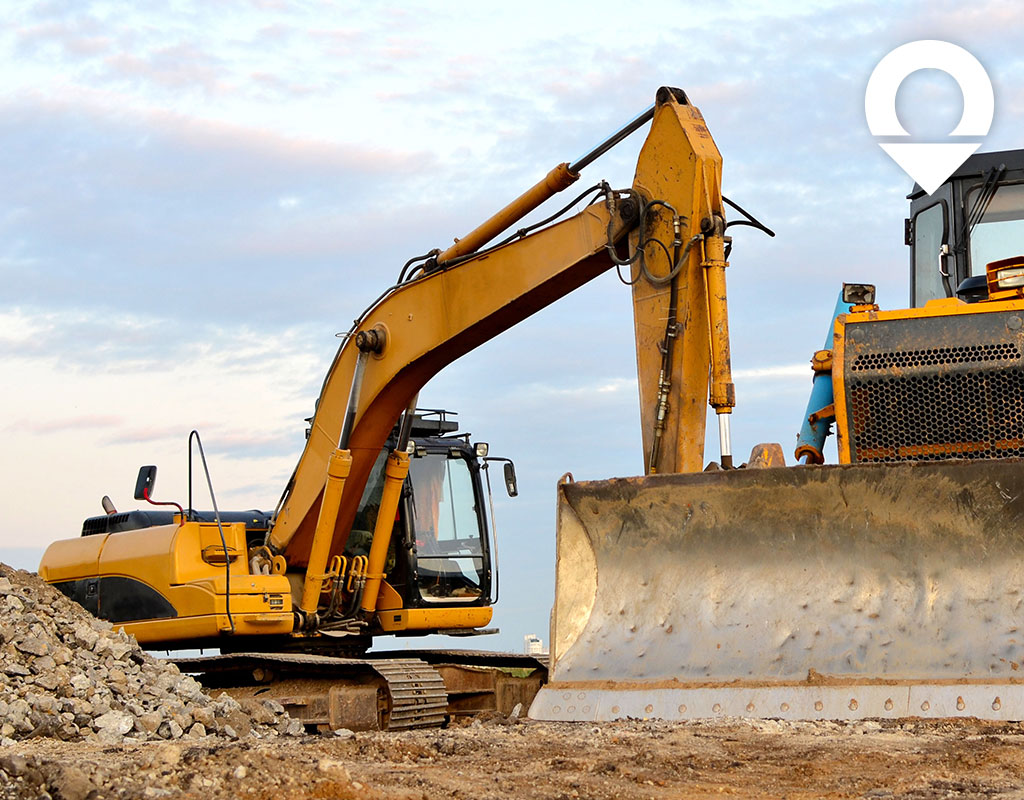

Excavators weighing 50 to 100 tonnes
Excavators weighing between 50 and 100 tons consume an average of 40 to 80 liters of fuel per operating hour. However, technological advancements now allow for significant savings on non-road diesel (GNR). For example, the 100-ton Liebherr R980 SME crawler excavator, despite its weight, consumes only 51 liters of fuel per hour. The hydraulic system is controlled by state-of-the-art electronics with sensors and sophisticated features that ensure maximum efficiency. Upstream, the operator's commands are processed by a computer that optimizes the operation of the motors, pump, and circuits. The Cat 395 is no exception in this regard, and the machine is more productive than its predecessors.
In recent years manufacturers have made efforts to develop more efficient engines and vehicles, which tends to reduce the consumption of excavators and other construction equipment, even on the smallest models.
Fuel consumption of a 20-tonne excavator
The fuel consumption of a 20-ton excavator is around 15 liters per hour. However, some brands, like Caterpillar with its Cat 320 model, promise up to 25% fuel savings. Liebherr boasts a 30% reduction, thanks to a user-friendly energy savings calculator database (LiDAT system) that allows users to determine the average fuel consumption for the selected machine type. Potential savings can be calculated regardless of the machine model, as the constantly updated database includes all models.
Fuel consumption of a mini-excavator
The fuel consumption of a mini excavator varies from 3 to 6 liters per hour for those equipped with internal combustion engines of approximately 25 kilowatts.
Like larger excavator models, fuel consumption varies depending on the speed at which you work and the difficulty of the tasks required.
Among the Cat models, machines of this size offer up to 20% more performance without losing energy, including cab air conditioning.
It quickly becomes clear that choosing the right brand, model, and technological features can lead to significant savings. But there are also other best practices and complementary systems.
Save fuel on your construction vehicles!
Best practices for saving fuel
Saving fuel is not just a dream but can become a reality thanks to some equipment, regular maintenance and advice on work efficiency.
- Telematics and embedded electronics now offer new possibilities that optimize vehicle productivity and guarantee significant savings : detection of any malfunction likely to cause engine, load detection, "eco" mode, energy recovery system…
- Proper maintenance of construction equipment prevents fuel waste, such as choosing the right tires, checking tire pressure , the condition of the chains, the pump, oil levels, or replacing defective parts through the service offered by the brands.
- Work organization is also a key factor in reducing your excavators' fuel consumption : studying the work sites and types of work to be carried out, the time required, and the weather conditions. It is also important that operators become familiar with all the excavator's equipment : choosing the appropriate attachment, using "eco" mode, or reducing idling time, which can burn up to 5 liters of diesel per hour and is the primary cause of energy waste .
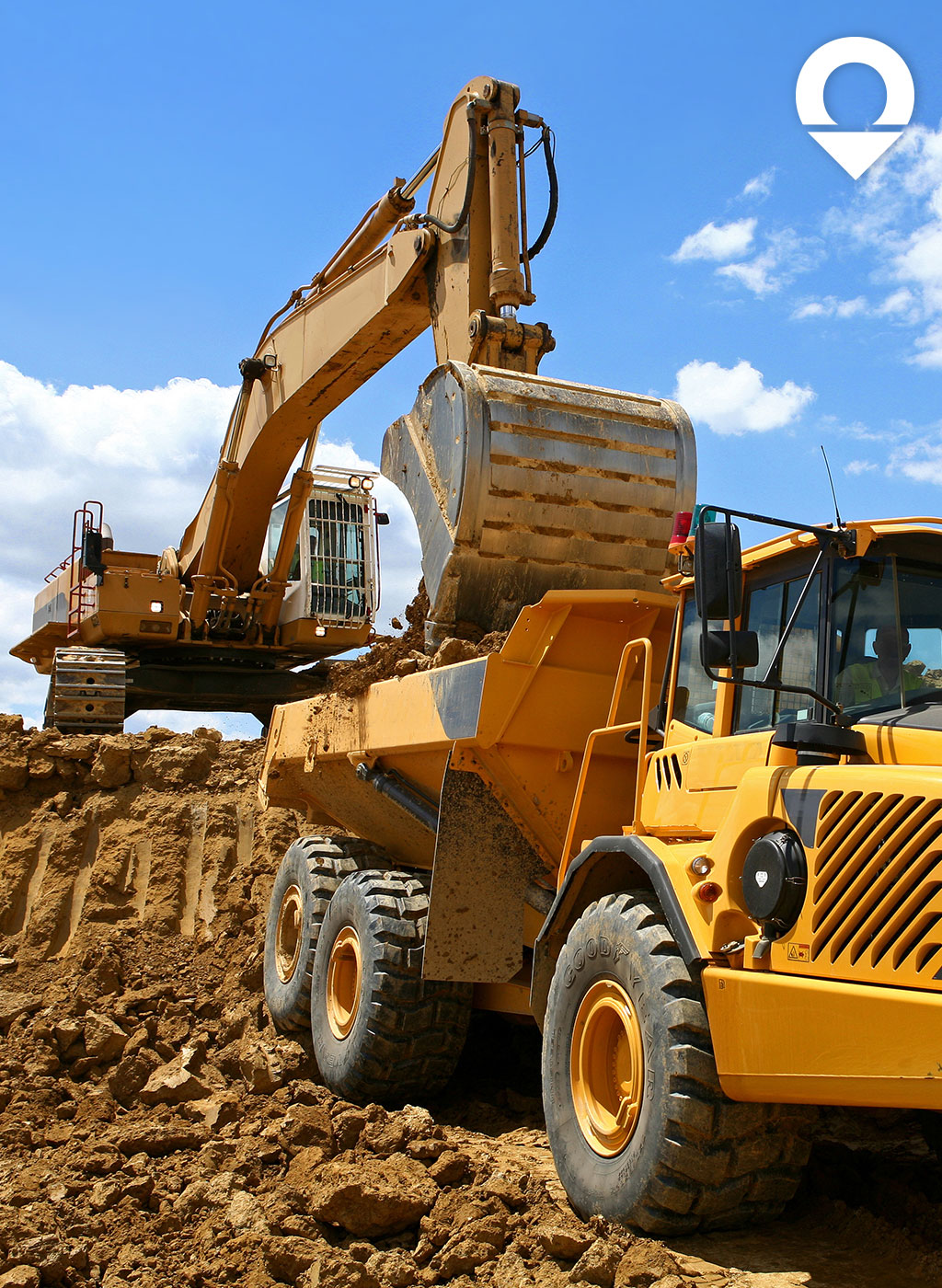

Choosing the right excavator model
As with agricultural activities where over-mechanization should be avoided, choosing the right vehicle and therefore the right model of excavator in this case is really crucial for your fuel budget.
- Some excavators can be equipped with rock breakers, grapples, grabs, or handling forks: a useful versatility in construction, mining, and forestry. The number one criterion for choosing an excavator is ensuring it has the features you need. The weight of an excavator is important, but it's wise to read the technical specifications carefully to avoid making a mistake. The second criterion is engine power : an underpowered engine struggles and consumes more fuel than a more powerful one. In this regard, the CAT range of tracked excavators is renowned for its efficiency.
- Most excavators are diesel models, but in recent years hybrid (diesel-electric) models have appeared and are equipped with an energy recovery system.
- Once the parameters related to clean and efficient work have been studied, there remains the comfort of the drivers between driving position and cabin comfort, work assistance, noise level and air conditioning, as in a car.
All these solutions can help reduce the fuel consumption of your excavators and are, of course, complementary. However, we don't always have the option of controlling everything or renewing an entire fleet of equipment. And even on the latest models, given rising prices, the savings remain insufficient. That's why we want to introduce you to our solution, theECOLOW fuel saver.
Reduce the fuel consumption of your excavators with ECOLOW
The ECOLOW unit is an effective fuel-saving system: it's easy to install and adapts to all construction machinery, regardless of fuel type (diesel, heating oil, or gasoline). The system promises up to 20% savingsin the construction industry, in addition to reducing emissions. This figure is based on our customers' actual results and our extensive testing before the solution was launched.
The primary advantage of this device is its non-intrusive nature, thus preserving your vehicle's manufacturer warranty. It is interchangeable between different machines, certified and guaranteed for two years, offers a quick return on investment, and requires no maintenance.