
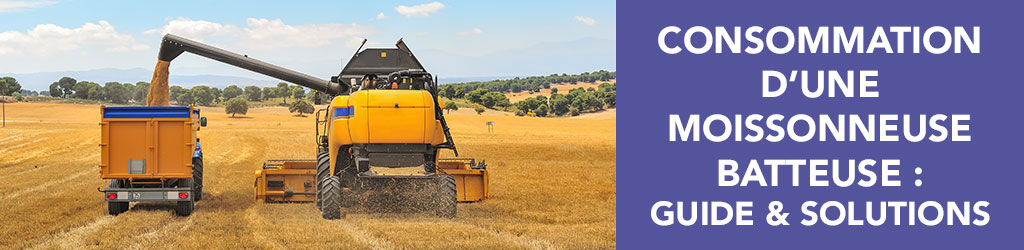
In recent years, fuel prices, particularly for non-road diesel (GNR), have risen sharply, and this trend continues. The consequence? A major impact on the financial management of farmers and other companies linked to the sector. This article will examine the example of.. fuel consumption of a combine harvesterHow to calculate it correctly in order to then implement appropriate solutions to reduce your consumption, your fuel budget as well as the pollution generated.
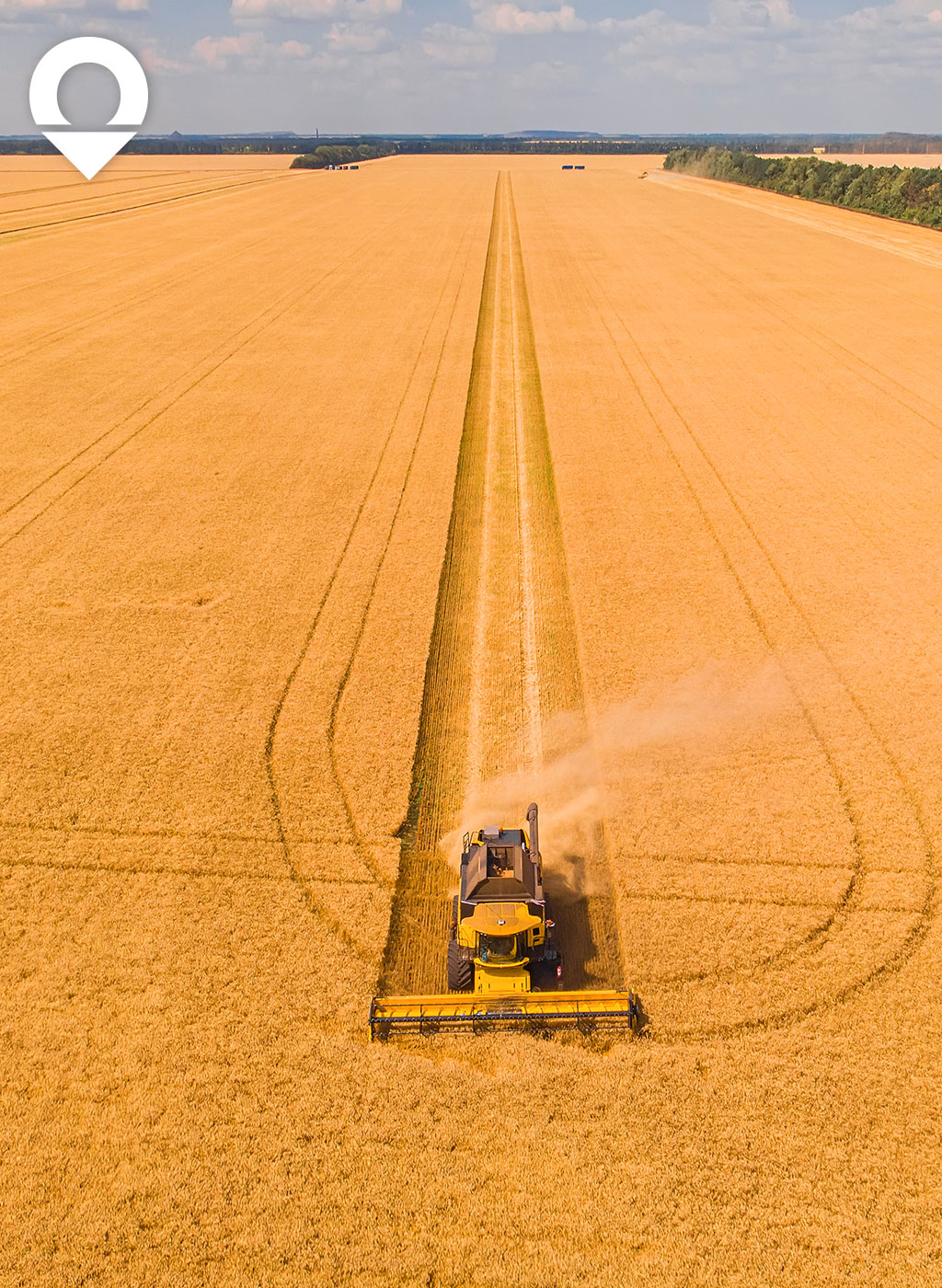
How much fuel does a combine harvester consume?
Consumption calculated per hectare
To determine the fuel requirements of your agricultural machinery, in the case of a combine harvester, to use the measurement of consumption calculated per hectare, which will therefore determine the amount of fuel consumed by the machine according to the area.
It is an optimized means of comparison and analysis for agricultural and industrial practices. Indeed, in the agricultural system, it offers the opportunity to precisely quantify the energy efficiency of a machine on a cultivated area. This contributes to improving crop management techniques (threshing, cleaning, separation, harvesting) and fuel supply while reducingenvironmental impact.
To calculate fuel consumption per hectare, you need to determine the total amount of fuel in the combine harvester, the actual amount consumed , and the area in hectares. Then, simply divide the amount consumed by the machine by the total area to obtain a result in liters per hectare. Note that the most efficient calculation method remains the manual method, which involves following these four steps:
- Note the number of litres present in the combine harvester's tank (in litres).
- Ensure harvesting at the usual rate, without changing the machine's working habits.
- Using a gauge, measure the number of liters remaining in the tank. Subtract the second reading from the first.
- Divide the liters by the cultivated area. This gives you the combine harvester's fuel consumption in liters per hectare.
On average, 450 hp combine harvesters that harvest 50 ha/day consume approximately 700L of fuel daily.
Which model consumes the least fuel?
Based on the most recent data, we have been able to group together some of the combine harvester models that consume the least fuel , and we are taking this opportunity to give you some of their characteristics:
Claas Lexion 660 : This combine harvester, with its 408 hp, 6-cylinder engine, ensures a comfortable driving experience thanks to its quiet cab. The Claas Lexion 660 features a grain tank with a capacity of either 9,600 liters or 10,500 liters for maximum fuel efficiency. Thanks to its advanced separation, cleaning, and guidance technology, the Claas Lexion 660 delivers superior straw harvesting and grain separation performance compared to other agricultural machines.
John Deere T660 : The John Deere T660 combine harvester is among the models appreciated for the quality of its work thanks to its large threshing capacity. Despite more complex adjustments than the Claas Lexion 660 and Claas Mega 204 combine harvesters, this machine travels at a speed of 6 km/h on dry straw, averaging 4.5 km/h before the straw matures. Equipped with a pre-thresher, a rotary separator, and a straw walker, this combine harvester has a 9000 L grain tank.
Claas Mega 204 : This combine harvester model has a grain tank capacity of 6,200 liters and a 224 hp engine. The Claas Mega 204 is equipped with a high-quality electronic system that allows for precise control of harvesting and grain distribution. Hopper capacity: 6,200 L – Drum width: 132 cm – Drum diameter: 450 mm. Data indicates a fuel consumption of 20 L/ha. Price: approximately €127,000.
What fuel should a combine harvester use?
Despite alternative fuels and extensive research in this area in recent years,the most used fuel for harvesters remains GNR.
Agricultural GNR
Agricultural GNR , also known as Non-Road Diesel , is a specific fuel intended for forestry and agricultural use. Unlike traditional diesel, GNR offers tax advantages, as it benefits from a government rebate through the TICPE (domestic tax on petroleum products ), making it less expensive for professionals. The use of GNR was initially intended to mitigate the environmental impact of agricultural and forestry practices. Therefore, this type of fuel is considered less harmful in terms of polluting emissions, thus reducing the carbon footprint associated with these activities.
GNR prices on the rise
Since April 2021, the price of non-road diesel (GNR) has been steadily rising, posing a problem for farmers who use it in their machinery. This is due to the increase in oil prices linked to the conflict between Ukraine and Russia, the latter being subject to economic sanctions from the international community. The rising price of this specific fuel limits the use of these products, considered more environmentally friendly, but too expensive for professionals who must add this cost to the expenses of maintaining and cleaning their machines and land. Hence the importance of finding out how to best reduce the fuel consumption of your combine harvesters and other machinery.
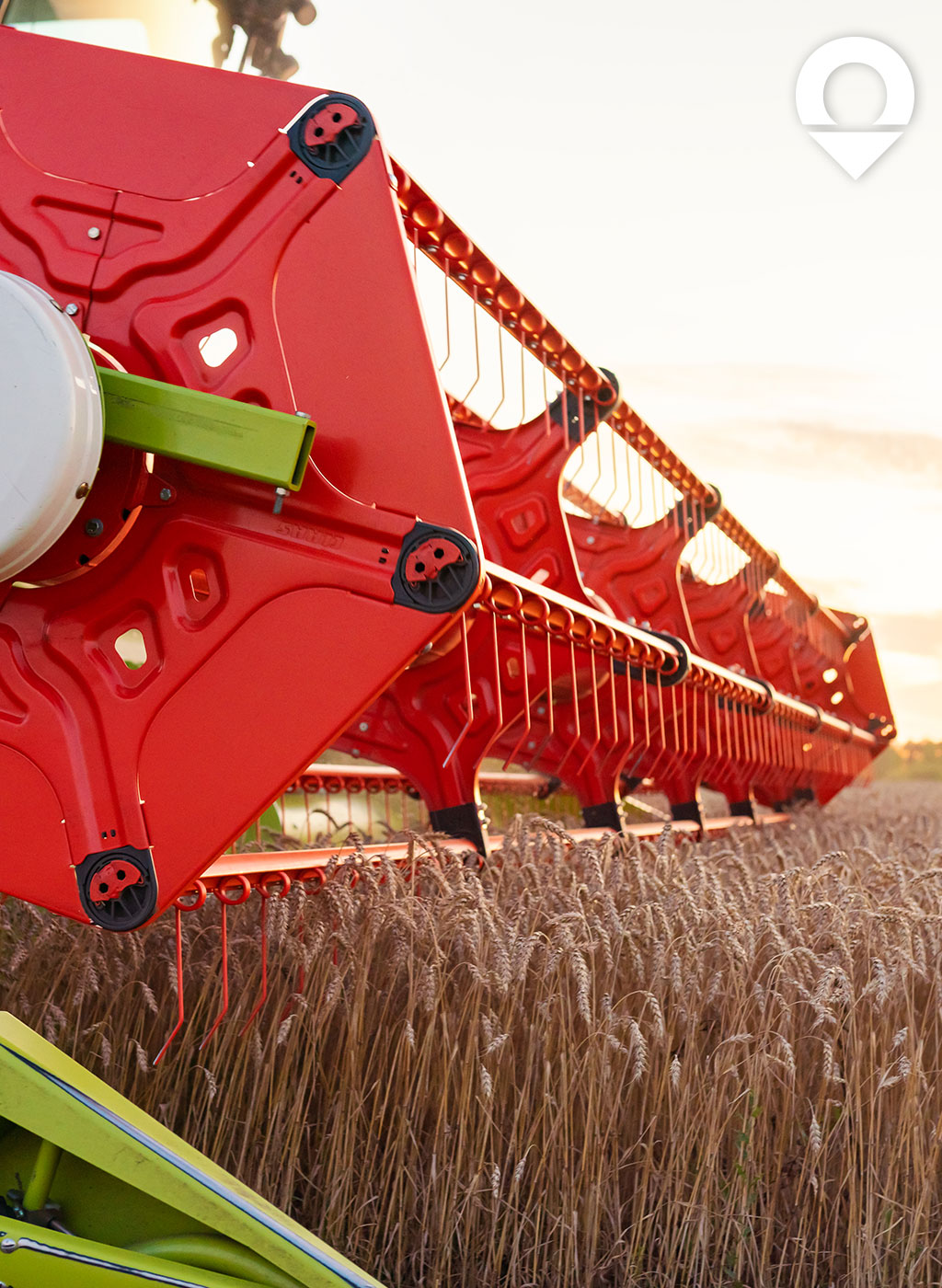
How to reduce the fuel consumption of your agricultural machinery?
Best practices for saving fuel
To improve their energy performance, agricultural professionals can focus on the following 4 points and implement truly effective actions to reduce the consumption of agricultural machinery.
Eco-driving
Eco-driving is a simple way to limit energy consumption by minimizing excessive braking and acceleration. Whether in the cab of a John Deere, Claas, or Holland combine harvester, the driver benefits greatly from maintaining a steady speed to maximize efficiency while optimizing fuel consumption. Eco-driving agricultural machinery can save up to 20% on fuel !
The interview
Mechanical parts must be regularly maintained to ensure the machine is in optimal working order, without risk of breakdowns or malfunctions that could hinder harvesting, threshing, or separating straw and grain. Pay particular attention to maintaining the transmission, rotors, tires , and all parts that allow the engine to retain its power and longevity over time. This is an effective way to achieve fuel savings of up to 10%!
Work optimization
In addition to adapting driving habits and ensuring regular maintenance of all agricultural machinery including the combine harvester, meticulous work organization is essential. This includes planning harvest routes, optimizing loading and unloading times, and taking weather conditions into account to improve overall farm productivity. Adhering to all these criteria reduces fuel consumption in agricultural machinery.
The choice of equipment (beware of over-mechanization).
Just like with a tractor, use a combine harvester whose settings and dimensions (height, width, length) correspond to your workload. The machine should not be oversized for the tasks to be performed, otherwise you risk unnecessary pollution! Check the required power to avoid consuming more fuel than necessary.
ECOLOW – a fuel saver for the agricultural sector
Our device offers 12 to 15% fuel savings for agricultural and forestry machinery. This technology is designed for all machines used on your farms, in order to reduce your diesel budget and to incorporate your practices into an eco-responsible approach.
Interchangeable between several models, from a John Deere combine harvester to a Holland tractor, our module pays for itself after just a few months of use! However, ECOLOW has little to no effect on cold-weather diesel fuels. The major advantage of our system is that it does not damage engine components, thus allowing you to maintain your original manufacturer's warranty. Feel free to contact our team to learn more.